Essene Jewish Community · 300 BCE – 70 CE
Dead Sea Scrolls
4 min read
The Dead Sea Scrolls — discovered by a Bedouin shepherd in 1947 — contain the oldest known biblical manuscripts and reveal a Jewish sect with beliefs that challenge conventional religious history.
Choose your reading style:
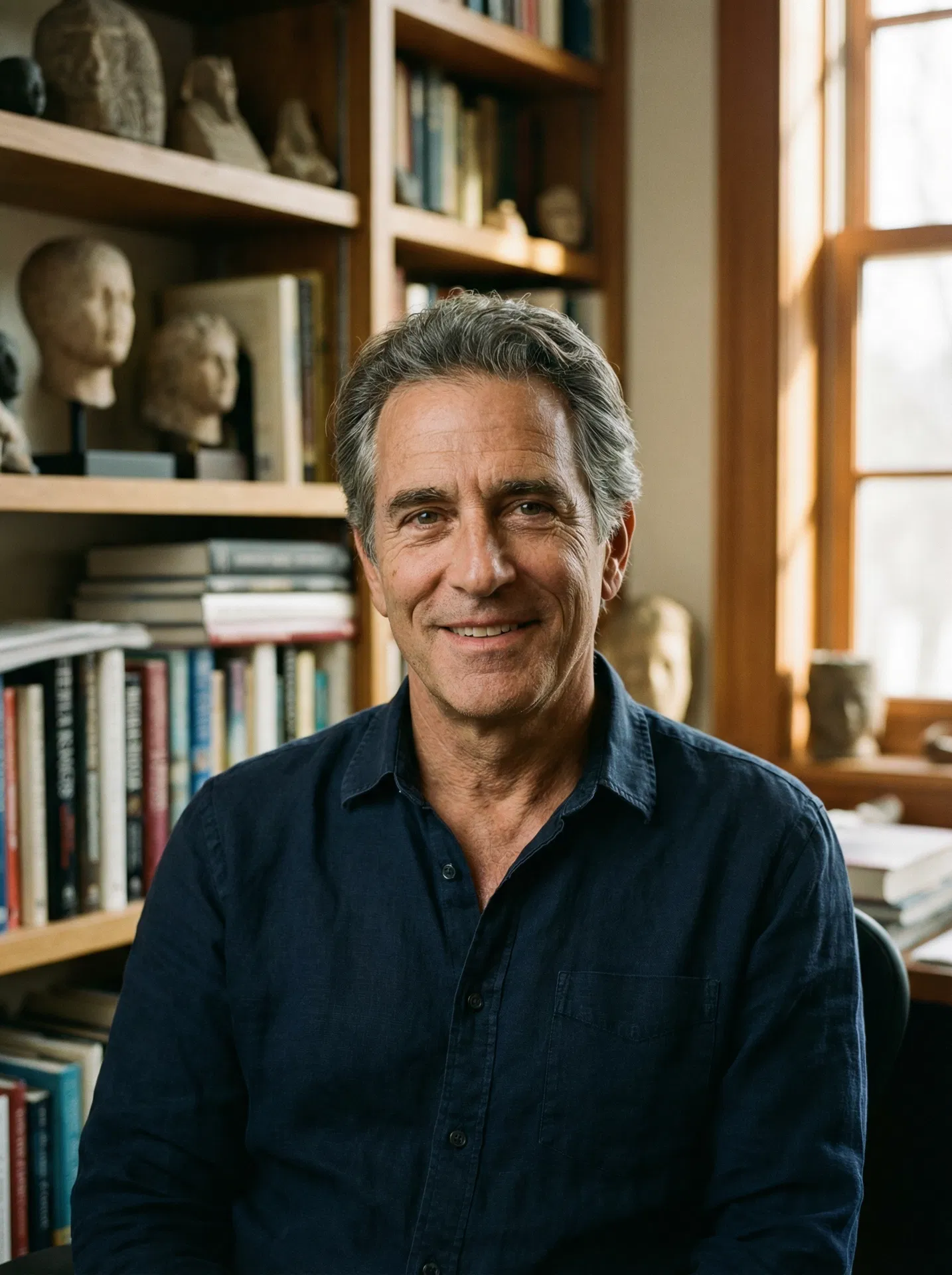
By Marcus Hale
Independent Researcher & Archive Curator
Whispers from the Desert: Unearthing the Secrets of the Dead Sea Scrolls
Imagine a world where the very foundations of your understanding of faith and history are suddenly, dramatically rewritten. Picture ancient texts, hidden for millennia, emerging from the dust to challenge established narratives and unveil a lost chapter of human belief. This isn't the stuff of fiction; it’s the astonishing reality unearthed with the discovery of the Dead Sea Scrolls. These aren't just old documents; they are a direct portal to a vibrant, complex, and often mysterious world of ancient Judaism, a world that existed long before the religious landscape we know today took shape. Their very existence, and the profound questions they raise, continues to captivate scholars and enthusiasts alike, drawing us into a compelling narrative of faith, secrecy, and revelation.
The story begins in 1947, with a serendipitous discovery by a Bedouin shepherd near the ancient ruins of Qumran, overlooking the shimmering Dead Sea. Searching for a lost goat, he tossed a stone into a cave, hearing the unexpected sound of breaking pottery. What he stumbled upon were clay jars containing ancient manuscripts, preserved against all odds for nearly two millennia. This initial find quickly snowballed, leading to the systematic exploration of eleven caves in the region, ultimately yielding an astonishing 981 scrolls and fragments. These precious artifacts, dating from approximately 300 BCE to 70 CE, were meticulously crafted on parchment, papyrus, and even copper, representing an unparalleled treasure trove of ancient manuscripts. Today, the majority of these priceless relics reside in the Shrine of the Book at the Israel Museum in Jerusalem, a testament to their enduring significance.
What makes these scrolls so remarkable isn’t just their age, but their content and the sheer volume of information they provide. Among them is the Great Isaiah Scroll, a breathtaking 7.34 meters long, which stands as the oldest complete copy of any biblical book, pushing back our earliest known biblical texts by a staggering 1,000 years. This single scroll, dating to around 125 BCE, is a testament to the meticulous scribal traditions of the era. The scrolls are written in Hebrew, Aramaic, and Greek, showcasing the linguistic diversity of the period. Beyond the familiar biblical texts, the Dead Sea Scrolls also contain a wealth of sectarian documents, hymns, prayers, and legal texts, offering an intimate glimpse into the daily life, beliefs, and practices of the community that produced and preserved them. This rich tapestry of writings provides an unprecedented window into the religious ferment of the Second Temple period.
The identity of this community has fueled intense debate, with the prevailing theory pointing to the Essenes, a reclusive Jewish sect known from ancient historians like Pliny the Elder and Josephus. The scrolls themselves describe a communal, ascetic lifestyle, strict adherence to religious law, and a profound expectation of messianic redemption – all hallmarks attributed to the Essenes. However, the exact nature of their beliefs and their relationship to mainstream Judaism and early Christianity remains a hotbed of scholarly discussion. Were the Essenes a proto-Christian sect, laying the groundwork for later Christian theology? Some scholars point to parallels between the "Teacher of Righteousness" described in the scrolls and the figure of Jesus, sparking intriguing, if controversial, theories. Another compelling theory suggests the scrolls were hidden from advancing Roman forces during the Jewish Revolt of 66-70 CE, a desperate attempt to safeguard sacred texts from destruction. Perhaps the most tantalizing enigma is the Copper Scroll, a unique artifact that describes not religious texts, but a list of 64 locations where vast quantities of gold, silver, and other treasures are supposedly buried. Is it a genuine treasure map, or a symbolic inventory of spiritual wealth? The debate rages on.
The profound significance of the Dead Sea Scrolls cannot be overstated. They represent the most monumental biblical archaeology discovery of the 20th century, forever altering our understanding of early Jewish religious thought. By revealing the existence of diverse Jewish sects and theological perspectives during the Second Temple period, they challenge the notion of a monolithic ancient Judaism, demonstrating a vibrant marketplace of ideas and interpretations. Their impact extends far beyond religious studies, offering invaluable insights into ancient languages, paleography, and the socio-political landscape of the era. They force us to confront the complexities of historical transmission and the often-suppressed narratives of the past.
The Dead Sea Scrolls are more than just ancient parchments; they are a living testament to the enduring human quest for meaning and connection to the divine. They whisper tales of a forgotten community, of fervent belief, and of a world far more diverse and intellectually rich than we once imagined. As we continue to decipher their secrets, these remarkable ancient manuscripts remind us that history is never truly settled, and that the past holds endless mysteries waiting to be unveiled, forever changing our perception of who we are and where we come from.
Marcus Hale
Independent Researcher & Archive Curator
Marcus Hale is an independent researcher and the curator of The Forbidden Archive. He has spent over a decade studying anomalous ancient technologies, cross-referencing primary excavation reports, museum catalogues, and peer-reviewed journals to document artifacts that mainstream history struggles to explain.
Competing Theories
["The Essenes were a proto-Christian sect","The scrolls were hidden from Roman forces during the Jewish revolt","The Copper Scroll describes a real treasure buried in 64 locations","Some scrolls describe a Teacher of Righteousness who parallels Jesus"]
Archive Record
Civilization
Essene Jewish Community
Time Period
300 BCE – 70 CE
Approximate Date
200 BCE
Origin
Qumran, Judean Desert
Discovered
Qumran Caves, West Bank, 1947
Current Location
Israel Museum (Shrine of the Book), Jerusalem
Dimensions
Great Isaiah Scroll: 7.34 metres
Materials
Parchment, papyrus, copper
Quick Facts
- ▸{"scrolls":981,"caves":11,"languages":["Hebrew","Aramaic","Greek"],"oldest_biblical_text":"Isaiah Scroll (125 BCE)","discovery":"1947 by Bedouin shepherd"}.