
Teotihuacan · 100 BC–250 AD
The Pyramid of the Sun Teotihuacan
5 min read
Last updated March 26, 2026
Choose your reading style:
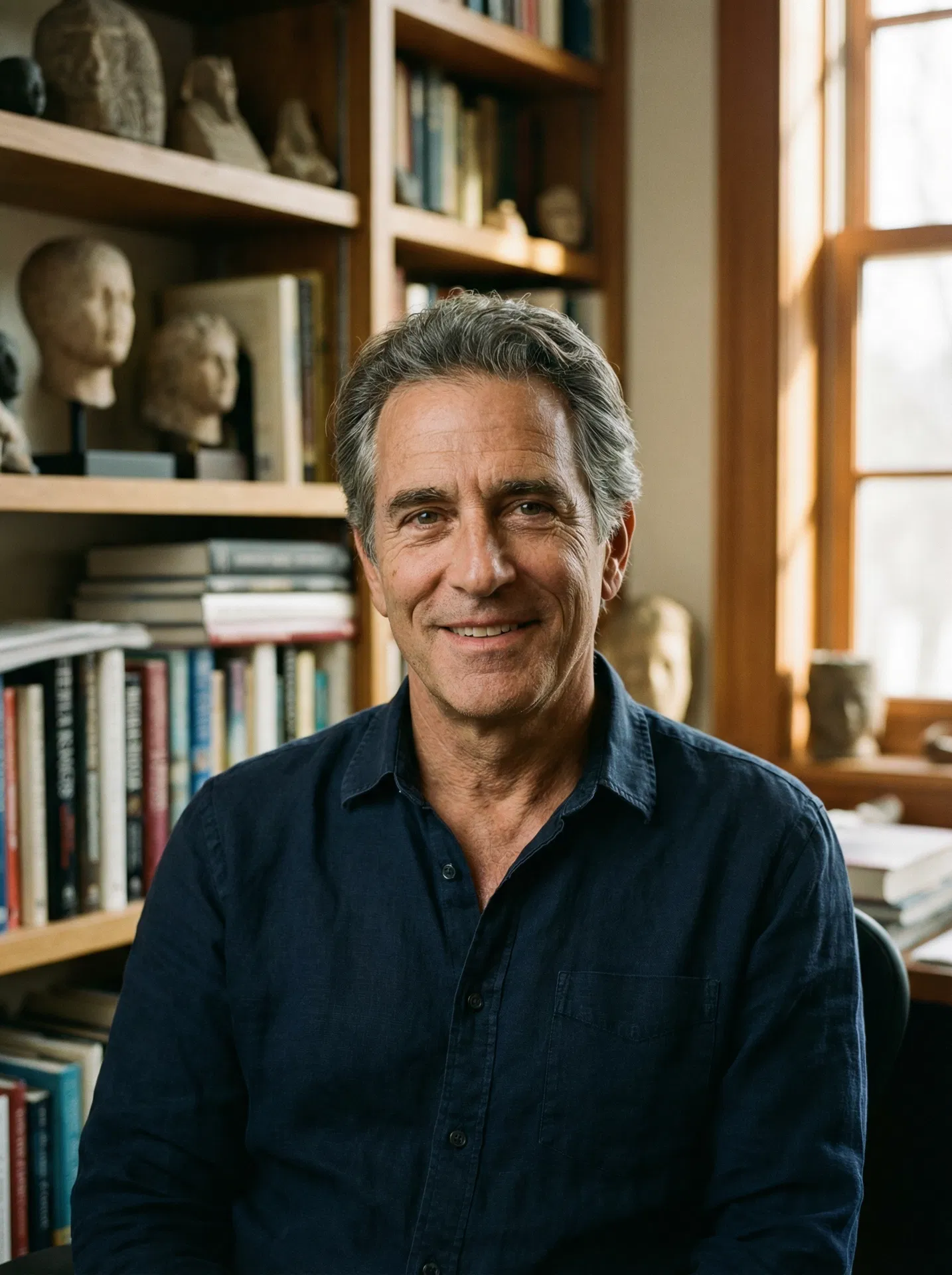
By Marcus Hale
Independent Researcher & Archive Curator
Welcome, intrepid explorers of the past, to The Forbidden Archive! Today, we journey to the heart of ancient Mesoamerica, to a city shrouded in enigma, to stand before one of its most colossal and captivating structures: the Pyramid of the Sun. This monumental edifice, a silent sentinel of a lost civilization, continues to baffle and inspire, whispering tales of power, cosmology, and profound mystery.
The City of Gods: Teotihuacan's Grandeur
Before we delve into the secrets of the Pyramid of the Sun, let us first understand the magnificent city that birthed it. Teotihuacan, whose name translates from Nahuatl as "the place where the gods were created," was not merely a city; it was an empire, a cultural crucible that profoundly influenced subsequent Mesoamerican civilizations like the Maya and the Aztecs. Flourishing between 100 BC and 250 AD, Teotihuacan became one of the largest and most powerful cities in the ancient world, boasting a population estimated at over 100,000. Its meticulously planned urban layout, centered around the awe-inspiring Avenue of the Dead, speaks volumes about its sophisticated societal structure and advanced understanding of urban planning.
The Rise and Fall of a Mysterious Empire
Unlike other well-documented ancient civilizations, the identity of Teotihuacan's founders remains a tantalizing puzzle. We know them only by their architectural legacy and the echoes of their influence. They left no written records in the traditional sense, no royal chronicles to decipher their origins, their leaders, or their ultimate demise. This absence of self-narration only deepens the allure of the Teotihuacan pyramid and the city itself. Its decline, around 550 AD, is as enigmatic as its genesis, with theories ranging from internal strife and environmental collapse to invasion.
The Pyramid of the Sun: A Colossus of Stone and Secrets
Dominating the eastern side of the Avenue of the Dead, the Pyramid of the Sun is the largest structure in Teotihuacan and the third-largest ancient pyramid in the world, surpassed only by the Great Pyramid of Cholula and the Great Pyramid of Giza. Standing approximately 216 feet (66 meters) tall with a base measuring 738 by 738 feet (225 by 225 meters), it is a testament to the immense engineering prowess and organizational capabilities of the Teotihuacanos. Constructed from an estimated 3 million tons of adobe bricks, earth, and volcanic rock, it was then faced with stucco and vibrantly painted, though little of this original finish remains today.
Unveiling the Purpose: More Than Just a Tomb?
Unlike the pyramids of Egypt, which primarily served as elaborate tombs for pharaohs, the primary function of the Pyramid of the Sun is still debated. While no royal burials have been definitively found within its core, excavations have revealed intriguing clues:
- Sacred Offerings: At its summit, archaeologists discovered a cache of offerings, including obsidian blades and figures, suggesting its role as a sacred altar for rituals and ceremonies.
- Cosmic Alignment: The pyramid is precisely oriented to align with the setting sun on specific dates, notably August 12th and April 29th. These dates are significant in the Mesoamerican calendar, marking the beginning of the rainy season and the planting cycle, highlighting the pyramid's connection to agricultural fertility and astronomical observation.
- Underground Tunnel: Perhaps the most captivating discovery is a natural cave system extending beneath the center of the pyramid, terminating in a four-lobed chamber. This cave, possibly modified and enlarged by the Teotihuacanos, is believed to have held immense symbolic importance, representing the mythical place of human origin or a portal to the underworld.
Teotihuacan Mysteries: The Enigmatic Builders
The greatest mystery surrounding the Teotihuacan pyramid and its city is the identity of its builders. Who were these people who engineered such monumental structures, created intricate art, and established a vast urban center without leaving behind a clear record of their own? Several theories attempt to fill this void:
- Multi-ethnic Society: Some scholars propose that Teotihuacan was a cosmopolitan city, a melting pot of various Mesoamerican groups who coexisted and contributed to its development. Evidence of distinct residential compounds, each with unique architectural styles and burial practices, supports this idea.
- Early Nahua Speakers: Another theory suggests the builders were early speakers of Nahuatl, the language of the later Aztecs, who revered Teotihuacan as a sacred ancestral site.
- Olmec Influence: While geographically distant, some researchers point to possible Olmec influences in early Teotihuacan art and iconography, hinting at a shared cultural heritage or migration.
The Avenue of the Dead: A Sacred Processional Way
The Avenue of the Dead, a colossal north-south axis stretching for over 2.5 miles (4 kilometers), served as the central artery of Teotihuacan. Lined with impressive platforms, temples, and residential complexes, it connected the Pyramid of the Moon in the north to the Ciudadela (Citadel) and the Temple of the Feathered Serpent in the south. The name, bestowed by the Aztecs, refers to their belief that the mounds along its sides were tombs. While this proved incorrect, the avenue undoubtedly played a crucial role in religious processions and civic life, guiding pilgrims and citizens through a landscape imbued with spiritual significance.
Beyond the Stones: Unanswered Questions
Despite centuries of archaeological investigation, the Pyramid of the Sun and the city of Teotihuacan continue to guard their deepest secrets. What was the true nature of their religious beliefs? What rituals were performed atop this colossal structure? What caused the sudden and dramatic collapse of such a powerful civilization? The lack of written records leaves us to piece together their story from the silent language of their architecture, artifacts, and alignments.
The ancient Mexico pyramid stands as a powerful reminder of humanity's enduring quest for meaning, connection to the cosmos, and the ability to shape the landscape to reflect their deepest convictions. As we gaze upon the majestic form of the Teotihuacan pyramid, we are not just looking at stones; we are peering into the soul of a lost civilization, a testament to their ingenuity, their devotion, and the profound mysteries that still echo from the heart of Mesoamerica. The Forbidden Archive invites you to ponder these questions, for in the pursuit of the unknown, we often discover more about ourselves.
Marcus Hale
Independent Researcher & Archive Curator
Marcus Hale is an independent researcher and the curator of The Forbidden Archive. He has spent over a decade studying anomalous ancient technologies, cross-referencing primary excavation reports, museum catalogues, and peer-reviewed journals to document artifacts that mainstream history struggles to explain.
📖 Take the Archive With You
Enjoyed this mystery? The full ebook covers 50 Ancient Mysteries in depth — lost technologies, suppressed histories, and artifacts that shouldn't exist. 300+ pages, instant PDF download.
Archive Record
Civilization
Teotihuacan
Time Period
100 BC–250 AD
Approximate Date
100 BC–250 AD