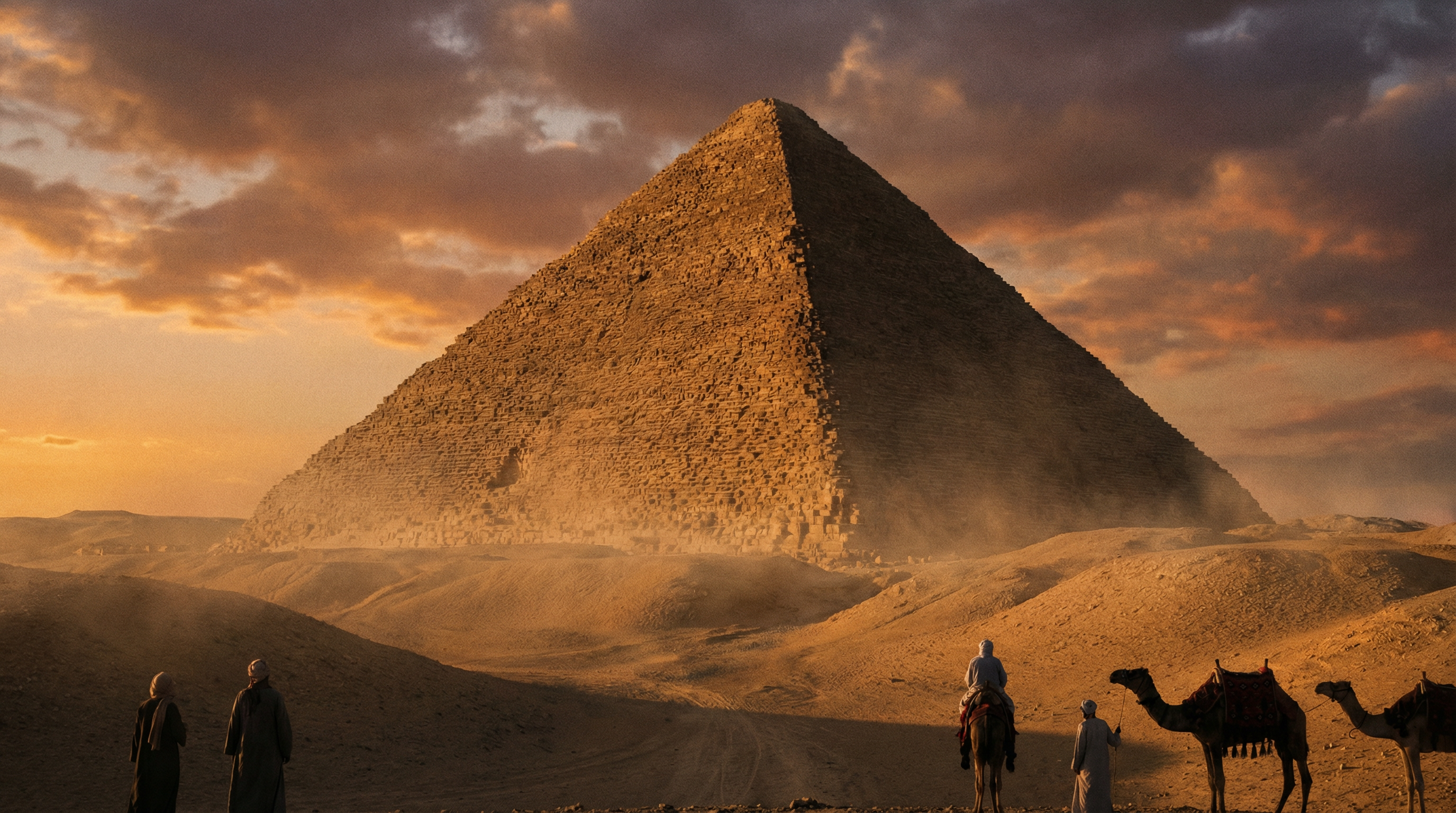
Roman Concrete (Opus Caementicium)
300 BCE – 500 CE
Roman concrete, used to build the Pantheon, the Colosseum, and harbour structures that have survived 2,000 years of seawater immersion, is stronger than modern Portland cement — and gets stronger over time rather than weaker. A 2017 analysis by UC Berkeley revealed the secret: Roman concrete uses volcanic ash and seawater, which react over centuries to form rare minerals that actually reinforce the concrete as it ages. Modern concrete begins degrading after 50 years.
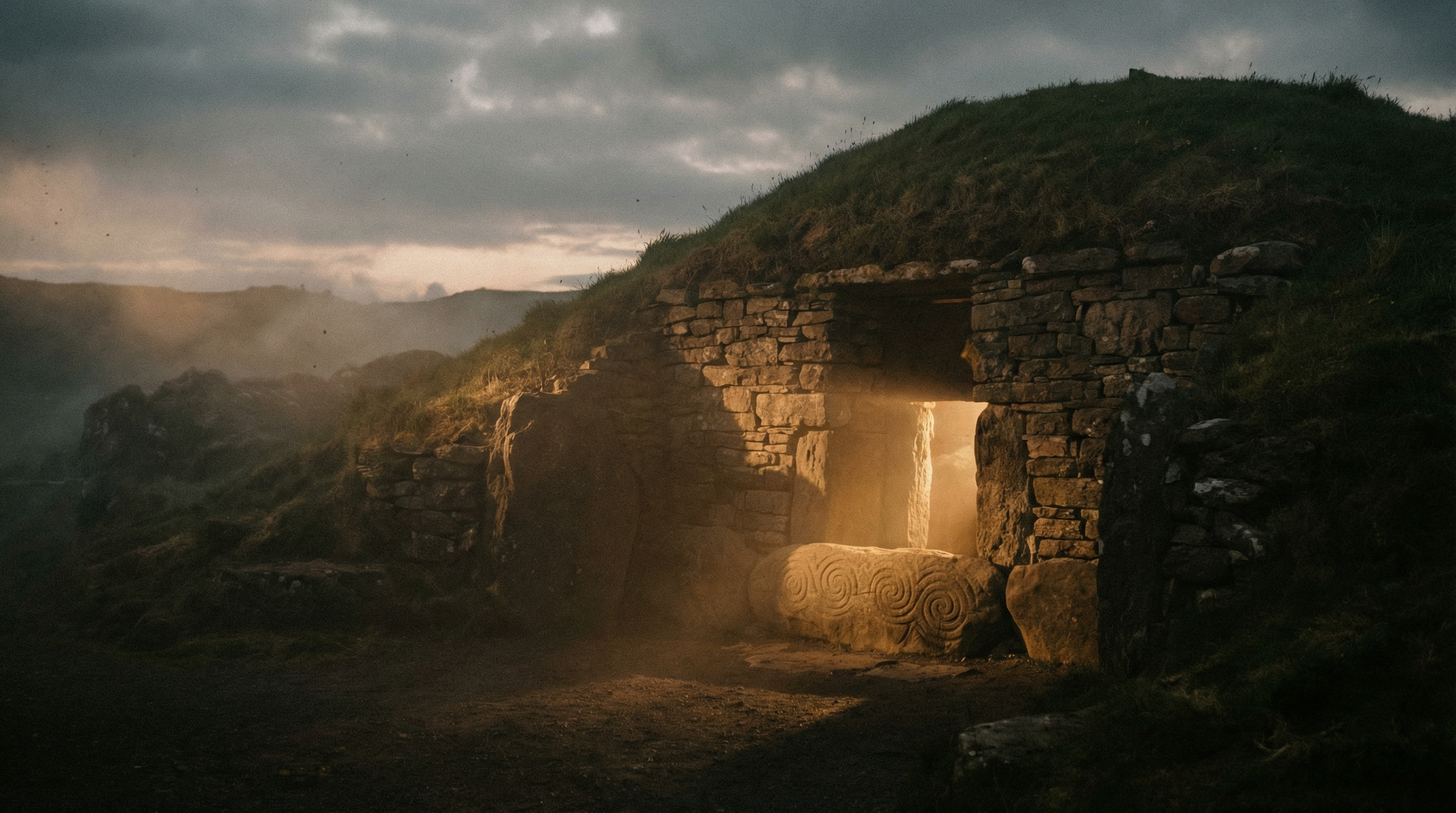
Roman Dodecahedra
2nd–4th century CE
Over 100 hollow bronze dodecahedra have been found across the Roman Empire, each with 12 pentagonal faces bearing circular holes of different sizes, and small knobs at each corner. No Roman text mentions them. No two are identical. Their purpose is completely unknown — they are one of the greatest unsolved mysteries of Roman archaeology.
Roman Surgical Tools of Pompeii
79 CE
Preserved by the eruption of Vesuvius in 79 CE, the surgical kit found in the House of the Surgeon at Pompeii contains over 40 instruments virtually identical to modern surgical tools. The precision of Roman surgery — including cataract needles, bone saws, and arterial clamps — was not matched again until the 19th century.