
Ancient India · Ancient
Wootz Steel of India
6 min read
Last updated April 4, 2026
The original source material for Damascus steel, produced in South India from at least 300 BCE using a crucible process that created a distinctive watered pattern and exceptional hardness.
Choose your reading style:

By Marcus Hale
Independent Researcher & Archive Curator
Welcome to The Forbidden Archive, where we delve into the enigmas of the past, seeking to unravel the technological prowess of forgotten civilizations. Today, we journey to ancient India, to explore a material that defies conventional understanding of ancient metallurgy – Wootz steel. This legendary metal, the very progenitor of the fabled Damascus steel, represents a pinnacle of ancient craftsmanship, a material so advanced that modern science is only now beginning to grasp its true complexity. Prepare to be astonished by a steel that whispers tales of forgotten knowledge, a material so extraordinary it contained nanostructures centuries before the concept of nanotechnology was even conceived.
Historical Background and Discovery Context
The story of Wootz steel begins in the crucible of ancient South India, with evidence suggesting its production as far back as 300 BCE, if not earlier. The term "Wootz" itself is believed to be an anglicized corruption of the Kannada word "ukku," or the Telugu word "ukku," both meaning steel. For centuries, this remarkable metal was a closely guarded secret, traded across vast distances, finding its way into the hands of warriors and rulers from Persia to Europe. Its fame grew exponentially due to the legendary "Damascus steel" blades – weapons renowned for their unparalleled sharpness, flexibility, and distinctive wavy patterns. What many did not realize, however, was that the raw material for these mythical blades was none other than Indian Wootz steel, imported in ingots and then forged by master smiths in the Middle East.
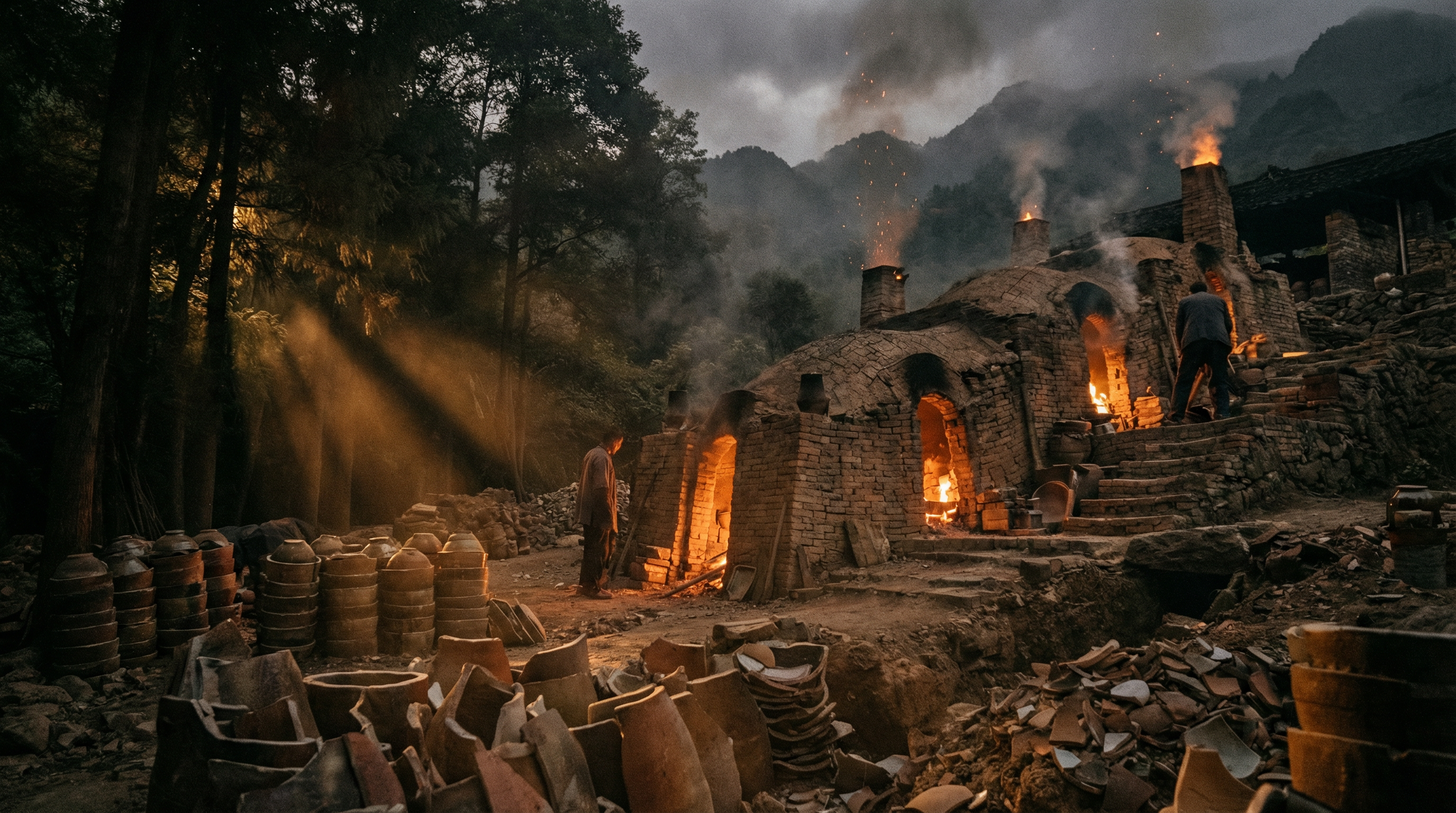
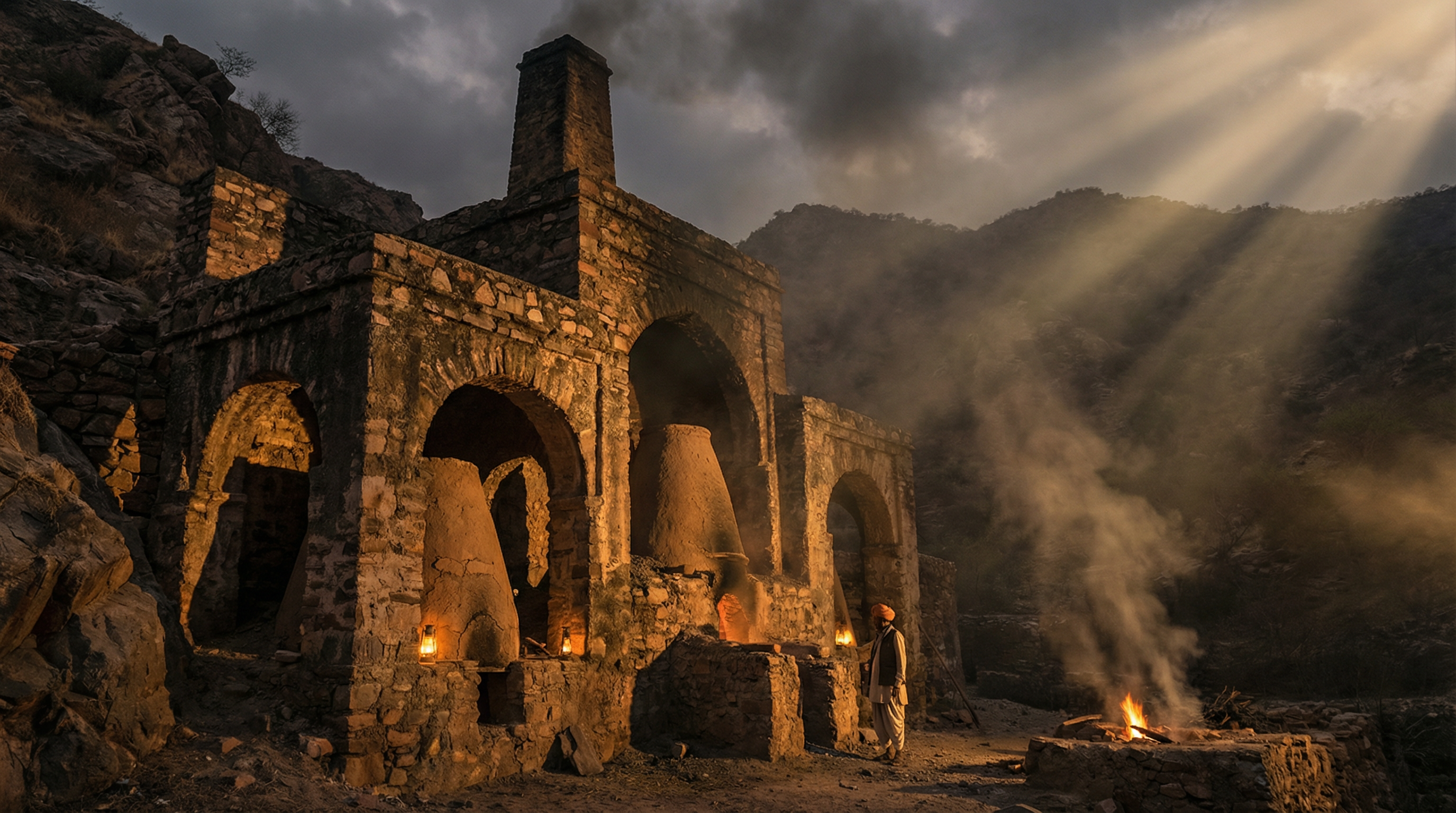
Historical accounts and archaeological findings paint a vivid picture of this ancient industry. Roman historians mention "Seric iron" (iron from Seres, a term often used for India or China), and Arab travelers documented the superior quality of Indian steel. The crucible process, central to Wootz production, involved heating iron ore and carbonaceous materials (like wood or charcoal) in sealed clay crucibles at high temperatures for extended periods. This slow, controlled process allowed carbon to diffuse into the iron, creating a high-carbon steel ingot. Once cooled, these ingots, often called "cakes," were then exported. The subsequent forging process, involving specific heating and cooling cycles and meticulous hammering, was what brought out the characteristic "watered" pattern and imparted the steel's legendary properties. The loss of this intricate production knowledge by the 18th century left a void that modern metallurgy has struggled to fill, making the study of surviving artifacts all the more critical.
Technical Analysis and What Makes It Remarkable
What truly sets Wootz steel apart is its unique microstructure. Unlike typical steels, Wootz is an ultra-high carbon steel, often containing 1.5% to 2% carbon, sometimes even higher. This high carbon content, when combined with the specific forging techniques, leads to the formation of carbide banding – distinct patterns of iron carbide (cementite) within a softer matrix of pearlite. These carbide bands are responsible for the visible "watered" pattern, often described as flowing water or a ladder-like design, which is not merely aesthetic but indicative of the underlying material properties.
Modern metallurgical analysis, employing advanced techniques such as scanning electron microscopy (SEM) and transmission electron microscopy (TEM), has revealed even more astonishing secrets. Researchers have discovered the presence of carbon nanotubes and nanowires embedded within the Wootz steel matrix. These nanostructures, incredibly strong and lightweight, are believed to have contributed significantly to the steel's exceptional hardness, resilience, and edge retention. The ancient Indian smiths, through their empirical knowledge and mastery of the crucible process, were unknowingly creating nanostructured materials centuries before the scientific world even conceived of such possibilities. This accidental nanotechnology is a testament to their profound understanding of materials, achieved through generations of experimentation and refinement.
Competing Theories and Scholarly Debate
Despite significant advancements in understanding Wootz steel, many aspects of its production remain shrouded in mystery, fueling ongoing scholarly debate. One of the primary areas of contention revolves around the exact composition of the raw materials and the precise conditions within the crucibles. What specific iron ores were used? What types of carbonaceous materials were added? Were there secret fluxes or additives that facilitated the carbon diffusion and the formation of the unique microstructure? Some theories suggest the use of specific plant materials, rich in certain elements, that might have played a role in the formation of the carbides or even the nanostructures.
Another area of debate concerns the temperature control and duration of the crucible process. While we know it was a slow process, the exact temperature profiles and cooling rates are still debated. Replicating Wootz steel has proven incredibly difficult, with modern attempts often failing to achieve the precise microstructure and properties of the ancient material. This difficulty underscores the complexity of the original process and the nuanced control exercised by ancient smiths. The debate also extends to the role of trace elements present in the original ores, which might have acted as catalysts or inhibitors in the metallurgical reactions, influencing the final properties of the steel.
Why This Challenges Conventional Historical Narratives
The existence and sophisticated production of Wootz steel fundamentally challenge conventional historical narratives about technological development and the capabilities of ancient civilizations. For too long, the narrative of scientific and technological progress has been predominantly Eurocentric, often overlooking or downplaying the innovations of non-Western cultures. Wootz steel stands as a powerful counter-narrative, demonstrating that ancient India possessed a deep, empirical understanding of materials science that bordered on what we now call nanotechnology.
The discovery of carbon nanotubes in Wootz blades forces us to reconsider the timeline of advanced materials science. It suggests that complex, nanostructured materials were not solely a product of the 20th and 21st centuries but were, in some form, being produced by ancient artisans. This pushes the boundaries of what we thought was possible in antiquity and highlights the ingenuity and observational skills of ancient metallurgists. It reveals a sophisticated understanding of material properties, even if the underlying scientific principles were not articulated in modern terms. Wootz steel compels us to acknowledge the global nature of innovation and the profound scientific achievements of civilizations beyond the classical Western world.
Conclusion with Lasting Significance
Wootz steel is more than just an ancient metal; it is a testament to human ingenuity, a beacon of forgotten knowledge, and a challenge to our understanding of history. Its production, lost by the 18th century and never fully replicated, represents a pinnacle of ancient metallurgy. The revelation of carbon nanotubes within its structure catapults ancient Indian smiths into the realm of accidental nanotechnologists, centuries ahead of their time. This remarkable material forces us to re-evaluate the technological sophistication of ancient civilizations and to appreciate the depth of empirical knowledge that was cultivated and passed down through generations.
The enduring mystery of Wootz steel continues to inspire researchers today, pushing the boundaries of materials science and historical inquiry. It stands as a powerful reminder that the past still holds countless secrets, waiting to be unearthed and understood. As we continue to explore the forbidden archives of history, Wootz steel serves as a shining example of how ancient technologies can illuminate the path for future innovations, reminding us that true brilliance knows no temporal bounds.
Marcus Hale
Independent Researcher & Archive Curator
Marcus Hale is an independent researcher and the curator of The Forbidden Archive. He has spent over a decade studying anomalous ancient technologies, cross-referencing primary excavation reports, museum catalogues, and peer-reviewed journals to document artifacts that mainstream history struggles to explain.
Competing Theories
The carbon nanotube discovery suggests ancient Indian smiths unknowingly created nanostructured materials. The exact smelting process, including specific ore sources and flux materials, remains unknown.

Archive Record
Civilization
Ancient India
Time Period
Ancient
Approximate Date
c. 300 BCE
Origin
South India (Tamil Nadu, Karnataka)
Current Location
Various museum collections
Materials
Ultra-high carbon steel with carbide banding