Inca Empire · Medieval
Machu Picchu Seismic Engineering
6 min read
Last updated April 4, 2026
Machu Picchu was built on two fault lines using a construction technique called 'llajta' that allows buildings to flex during earthquakes and reassemble — the stones literally dance during seismic events.
Choose your reading style:

By Marcus Hale
Independent Researcher & Archive Curator
The Unseen Dance: Machu Picchu's Earthquake Resilience
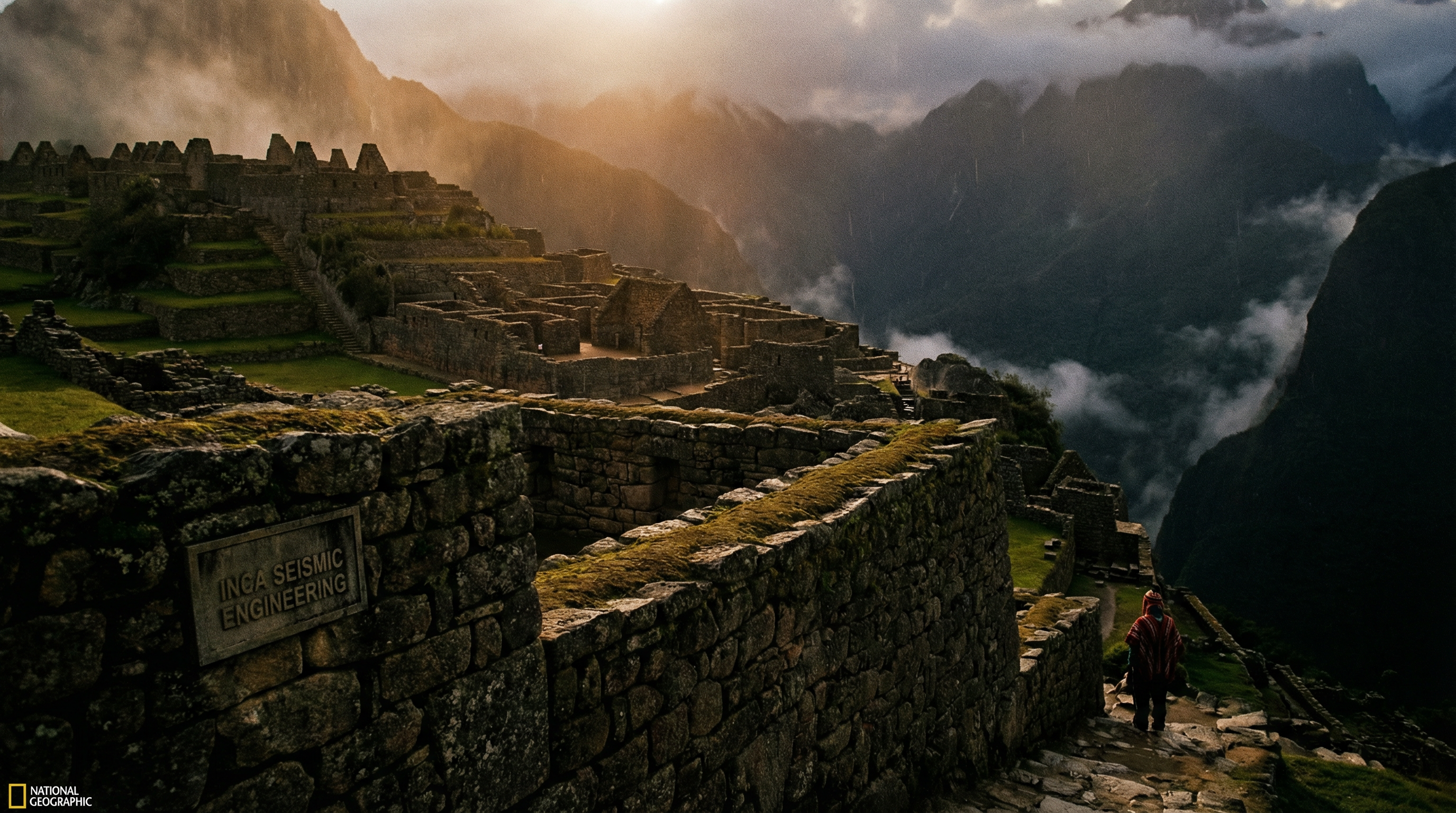
Perched precariously on a mountain ridge, shrouded in mist and mystery, Machu Picchu stands as a testament to Inca ingenuity. More than just a breathtaking archaeological site, it is a marvel of ancient engineering, a city designed not merely to withstand the forces of nature, but to harmoniously move with them. The very ground upon which it rests is a dynamic canvas, crisscrossed by two major fault lines, a seemingly perilous location that, paradoxically, may be the secret to its enduring survival. Imagine massive granite blocks, meticulously cut and fitted without mortar, not crumbling under the earth's violent tremors, but rather performing an intricate, silent dance, shifting and settling back into perfect alignment. This isn't folklore; it's the profound reality of Machu Picchu's seismic engineering, a technology so advanced it continues to baffle and inspire modern architects and seismologists alike.
Echoes of a Lost Empire: Historical Context and Rediscovery
Machu Picchu, meaning "Old Mountain" in Quechua, was constructed around 1450 AD at the height of the Inca Empire's power. It served as a royal estate for the Inca emperor Pachacuti, a sacred religious site, or perhaps a secret ceremonial city. Its exact purpose remains a subject of ongoing debate, adding to its enigmatic allure. The Inca, a civilization renowned for their sophisticated road networks, intricate textiles, and advanced agricultural techniques, were masters of adapting to their challenging Andean environment. Their empire, Tawantinsuyu, stretched across vast and geologically active territories, making earthquake-resistant construction not a luxury, but a necessity for survival.
For centuries, after the Spanish conquest and the subsequent abandonment of the site, Machu Picchu lay hidden, swallowed by the dense jungle, known only to a few local indigenous communities. Its "discovery" by American explorer Hiram Bingham in 1911 brought it to global attention, sparking intense archaeological interest and catapulting it into the pantheon of the world's most iconic ancient sites. Bingham, guided by local farmers, initially believed he had found Vilcabamba, the last Inca stronghold. While this proved incorrect, his expeditions unveiled a treasure trove of Inca architecture, including the unparalleled precision of Machu Picchu's stonework.
Engineering Marvel: The Art of Llajta and Seismic Isolation
What makes Machu Picchu's construction truly extraordinary is its inherent resilience to seismic activity. The Inca employed a technique known as ashlar masonry, where precisely cut and polished stones fit together so tightly that not even a knife blade can be inserted between them, all without the use of mortar. This method, combined with specific architectural principles, creates a flexible yet robust structure. Modern engineers refer to this as a form of "seismic isolation" or "base isolation," a cutting-edge technique used in contemporary earthquake-resistant buildings.
When an earthquake strikes, the ground beneath Machu Picchu moves. Instead of rigid, mortared walls that would crack and crumble, the individual stones in Inca structures are designed to shift slightly against each other. This movement dissipates the seismic energy, preventing catastrophic failure. Once the tremors subside, the stones, guided by their precise interlocking shapes and the sheer force of gravity, settle back into their original positions. It's as if the buildings themselves are alive, performing a controlled, rhythmic sway during a seismic event – a phenomenon sometimes poetically described as the stones "dancing." This construction philosophy, sometimes referred to by archaeologists as 'llajta' (a Quechua term for a town or community, implying a holistic approach to site planning), extended beyond individual buildings to the very layout of the city, incorporating terraces and drainage systems that further stabilized the slopes.
The choice of material – hard, durable granite – was also crucial. Sourced from nearby quarries, these massive blocks were shaped using sophisticated tools and techniques, including the use of harder stones, sand, and water for abrasion. The sheer scale of moving and shaping these stones, some weighing many tons, without the aid of the wheel or iron tools, remains an engineering feat in itself.
Intentional Design or Fortuitous Circumstance? Scholarly Debates
The presence of Machu Picchu on two active fault lines raises a fascinating question: was this location chosen intentionally for its seismic properties, or was it merely a coincidence? While some scholars argue that the Inca were simply adapting to the most suitable available terrain, others propose a more deliberate and profound understanding of their environment.
One compelling theory suggests that the fault lines provided natural advantages beyond just seismic resilience. The geological fractures created a network of natural springs, offering a reliable and abundant water supply crucial for a city of this size. Furthermore, the faulting activity may have contributed to the formation of the steep, dramatic cliffs and ridges that defined the site, providing both natural defenses and breathtaking vistas. Some even speculate that the Inca, deeply spiritual and attuned to the forces of nature, may have considered these geologically active areas sacred, believing them to be places where the earth's energy was most potent, ideal for a ceremonial center.
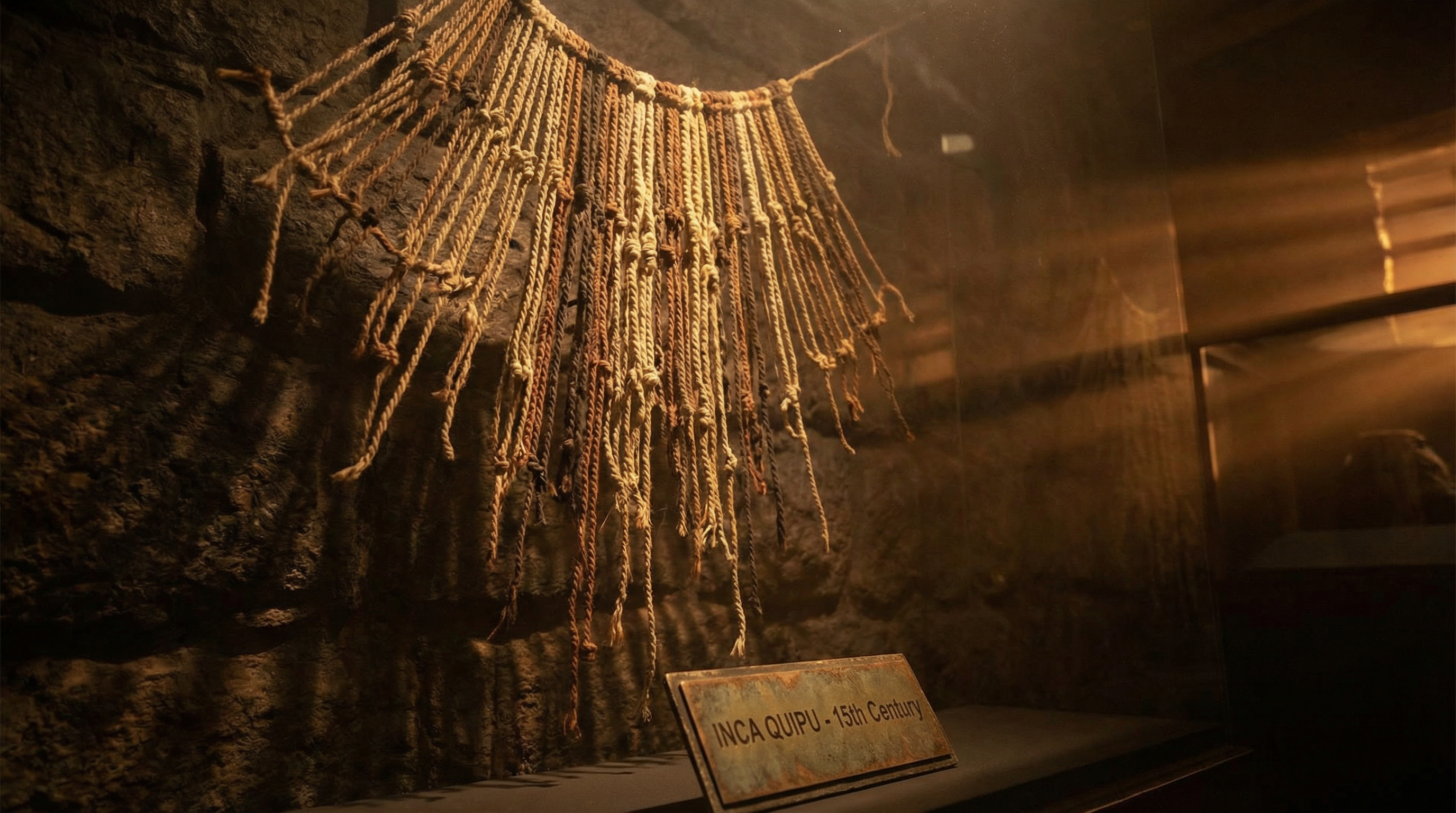
The debate often centers on the extent of Inca scientific knowledge. Did they possess an empirical understanding of seismic waves and structural dynamics, or was their engineering prowess born from generations of trial-and-error adaptation to a seismically active homeland? While direct written evidence is scarce (the Inca used quipu, a system of knotted cords, for record-keeping, which remains largely undeciphered), the consistent application of these earthquake-resistant techniques across numerous Inca sites strongly suggests a deep, practical knowledge of seismic design principles.
Rewriting History: Challenging Conventional Narratives
Machu Picchu's seismic engineering profoundly challenges conventional historical narratives that often underestimate the scientific and technological sophistication of pre-Columbian civilizations. The idea that an ancient culture, without modern scientific instruments or computational models, could design structures capable of withstanding centuries of powerful earthquakes, often surpassing the resilience of much later European constructions, is a powerful testament to their intellectual achievements.
It forces us to reconsider the definition of "advanced technology." While the Inca did not possess iron tools or the wheel, their mastery of stone, their understanding of structural mechanics, and their ability to work in harmony with their environment represent a different, yet equally profound, form of technological advancement. Their approach was holistic, integrating engineering with landscape, spirituality, and resource management. This sophisticated understanding of dynamic forces and material properties demonstrates a level of practical scientific inquiry that often goes unacknowledged in mainstream historical accounts.
Enduring Legacy: A Blueprint for the Future
Machu Picchu stands not just as a relic of a bygone era, but as a living lesson in sustainable and resilient design. Its survival through hundreds of earthquakes, including major seismic events that have devastated modern cities, offers invaluable insights for contemporary engineers grappling with the challenges of building in earthquake-prone regions. The principles of seismic isolation, flexible construction, and the intelligent use of local materials, all pioneered by the Inca centuries ago, are now being rediscovered and re-applied in cutting-edge architecture today.
The "dancing stones" of Machu Picchu whisper across the centuries, reminding us that true innovation often lies in observing and respecting the natural world, rather than attempting to conquer it. This ancient city, with its silent, enduring strength, remains a powerful symbol of human ingenuity and a profound challenge to our assumptions about the limits of ancient technology. It is a testament to a civilization that built not just for their time, but for eternity, leaving behind a legacy that continues to inspire awe and offer practical wisdom for the future.
Marcus Hale
Independent Researcher & Archive Curator
Marcus Hale is an independent researcher and the curator of The Forbidden Archive. He has spent over a decade studying anomalous ancient technologies, cross-referencing primary excavation reports, museum catalogues, and peer-reviewed journals to document artifacts that mainstream history struggles to explain.
Competing Theories
The Inca selection of the Machu Picchu site, positioned on two fault lines, may have been intentional — the site's geology provides natural drainage and the fault activity may have been considered sacred.
Archive Record
Civilization
Inca Empire
Time Period
Medieval
Approximate Date
c. 1450 CE
Origin
Cusco Region, Peru
Current Location
Machu Picchu, Peru (UNESCO World Heritage Site)
Materials
Granite, no mortar